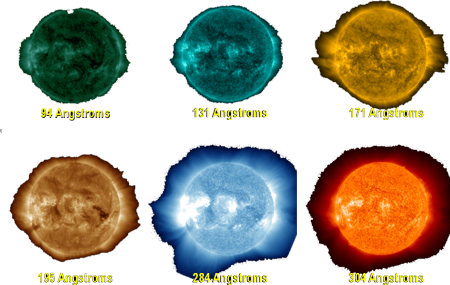
We may also agree that our relationship to our Sun is the Earth's single most important fact. Sunspot’s whole mission is to help us acquire a clearer and more comprehensive understanding of this fact. In pursuit of the science, we are not alone: in the last half century, the level and intensity of scientific inquiry about the Sun and light has exploded, and imagery has become the principal way of explaining as well as the primary source of scientific advancement.
|
Even better, space telescopes have allowed increasingly high resolution and varied spectra unavaliable inside the Earth’s atmosphere. 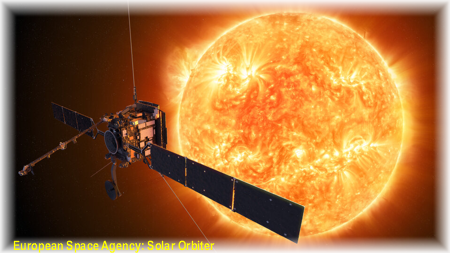 By 2020, space and imaging technology improved to the point where the European Space Agency was able to place a satellite that approaches the blazing star within a mere 42 million kilometers, where the equipment needed to operate despite the temperature in excess of 500°C. 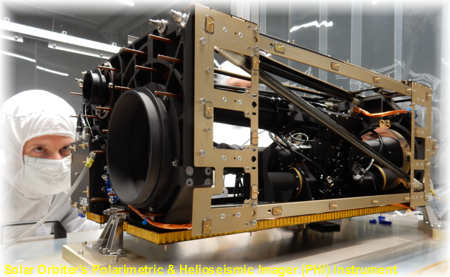
|
|
| |
 |
 |
| no nonsense privacy policy sitemap | |

| Nimda content administration system written by Michael Potts file updated 20 August 2026 copyright © 2003-2026 Caspar Institute |
| this site generated with 100% recycled electrons | |

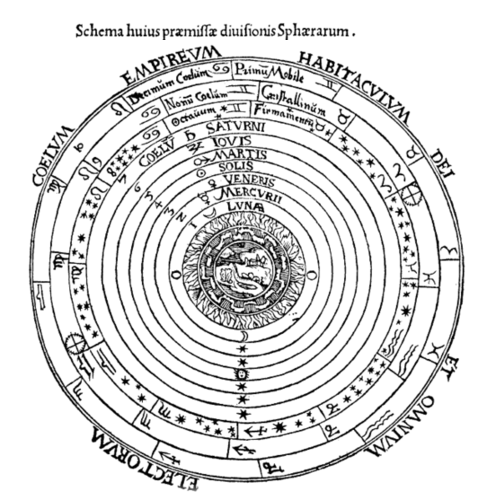
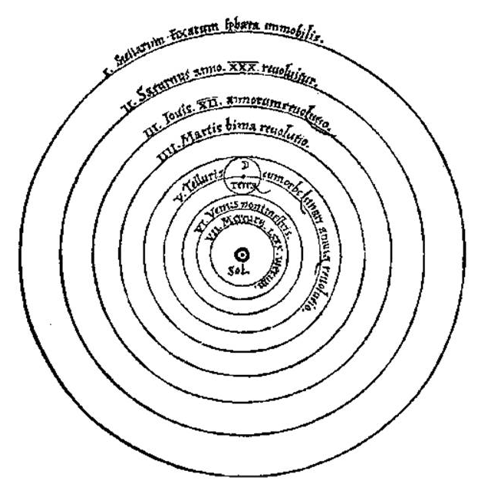
 Johannes Kepler proposed the revolutionary idea that the planets, including Earth, orbit the Sun. With Tycho Brahe's precise data and discovery that planets move in ellipses rather than circles, Kepler mapped the true heliocentric solar system in something approaching our current understanding in 1609
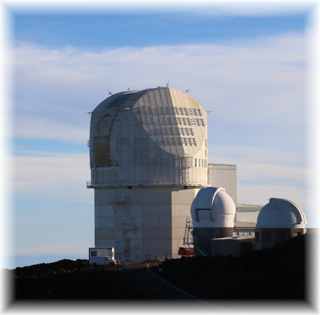 From the summit of Hawaii's Haleakala Observatory, the Inouye Solar Observatory is the main earth-bound site for solar exploration. The best solar viewing is possible from that height because the air is clear and minimally obscured by nearby cities.